TOP TIPS FOR KENAI RIVER FISHING TRIPS
Most people who fish the Kenai River for the first time come back. That’s not an accident. But the ones who have the best first trips almost always did a few things right before they ever stepped in the boat. Here’s what 25 years of guiding on this river has taught us about what actually moves the needle.
1. Book Early — Especially for July
Sockeye season on the Kenai River is the most requested window of the year, and July dates go fast. If you’re planning a trip around peak sockeye — second week of July through the first week of August — don’t wait until spring to book. The dates you want will already be gone.
King salmon in late June is a close second. That window when both the early and late runs overlap is short, productive, and books up quickly every season.
If you’re flexible on dates, shoulder season is a legitimate option. Early June for early run kings on the Kasilof, late August for silvers, and mid-August through September 15th for trophy rainbow trout all offer excellent fishing with more availability.
2. Dress for the Morning, Not the Afternoon
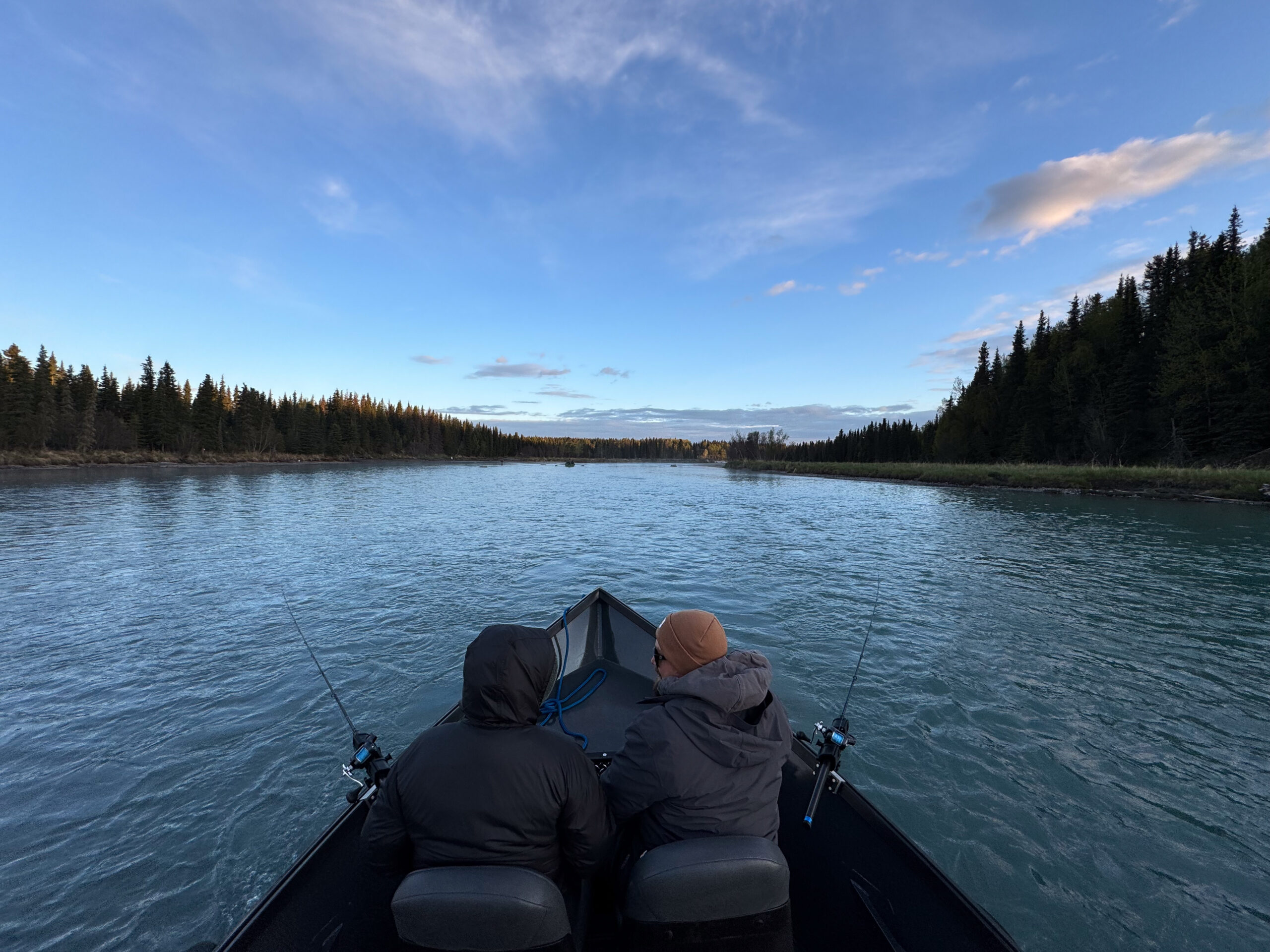
This is the single most common mistake first-time Alaska anglers make. Mornings on the Kenai River in June and July can be genuinely cold — 40s and low 50s with wind coming off the water. By early afternoon it can be in the 70s and sunny. If you dress for the afternoon, you’re miserable for the first four hours of your trip.
Wear layers. A base layer, a mid layer, and a waterproof shell on top. Bring gloves you don’t mind getting wet. Bring a hat. You can always strip down as the day warms up — you can’t add layers you didn’t bring.
3. Get Your License and Stamp Before You Arrive
Alaska State Fishing Licenses are available online through the Alaska Department of Fish and Game. If you’re targeting king salmon, you’ll also need a King Salmon Stamp — a separate purchase on top of your license. Both are required before you fish.
Don’t wait until you arrive in Soldotna to sort this out the morning of your trip. Get it done online in advance and print it or save it to your phone. The ADF&G website is straightforward and the whole process takes five minutes.
We’ll remind you before your trip date, but getting it handled early is one less thing to think about on the morning you’re heading to the boat ramp.
4. Eat Before You Get on the Water
This sounds basic but it matters. A full-day trip runs 8–9 hours. If you’re not used to being on a boat, a cold morning on the river on an empty stomach is a rough combination. Eat a real breakfast before you meet your guide. Bring snacks and enough water for the day.
During prime sockeye season when the grill comes out on the riverbank — and it does — you’ll be glad you paced yourself.
5. Listen to Your Guide on the Water
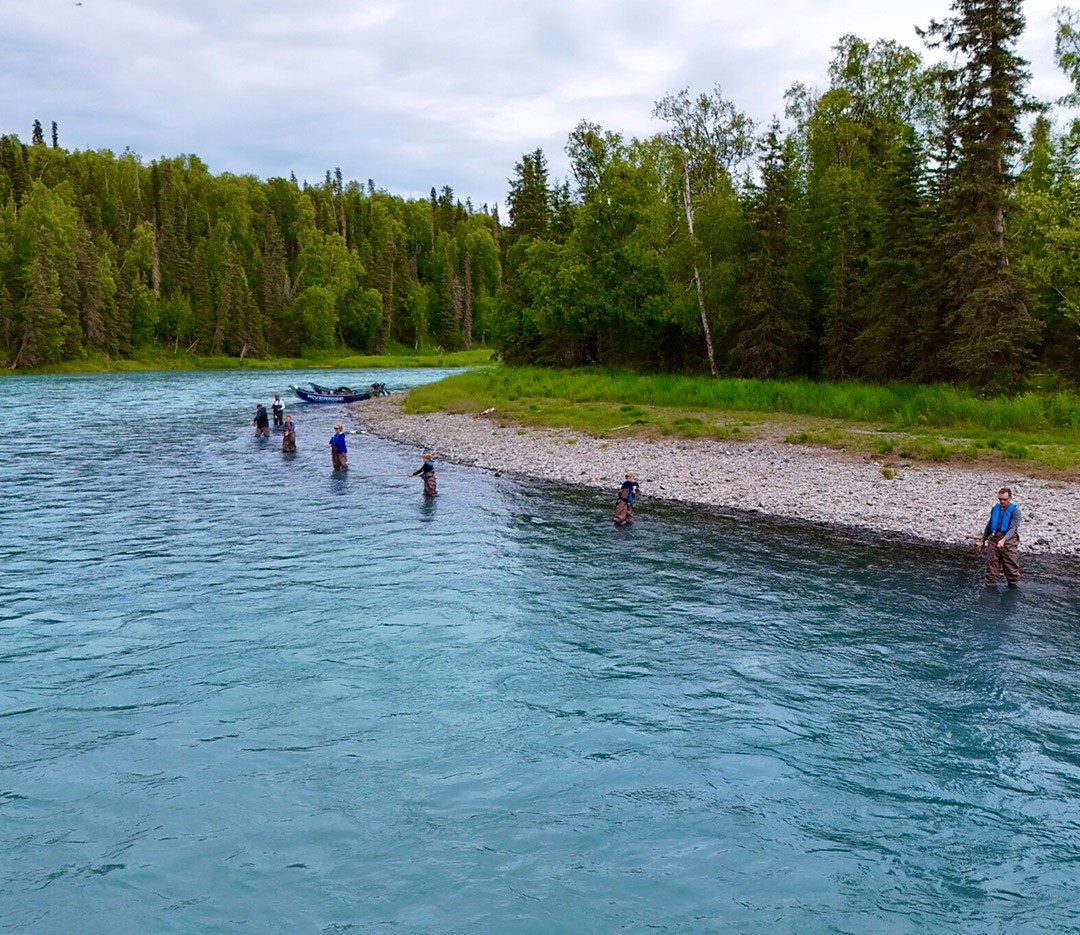
This isn’t about telling you what to do — it’s about the difference between catching fish and watching your rod sit still. When your guide tells you the fish are holding 50 feet off the left bank in 8 feet of water and you need to adjust your drift, that information is specific to what they’re watching and reading in real time. Trust it.
The most productive clients we take out are the ones who ask questions and follow the adjustments. The least productive are the ones who decide they know better 20 minutes in. We’ve been on this river for 25 seasons. We want you to catch fish as much as you do.
6. Understand the Technique Before You Get There
If you’re fishing for sockeye, know going in that you’ll be flossing — not casting to rising fish, not jigging. The technique is specific, it’s learnable in minutes, and it works extraordinarily well when the fish are running. But if you’ve never heard of it, it can feel counterintuitive the first few times. Your guide will walk you through every step, but arriving with a basic understanding of what you’re doing and why helps you get productive faster.
Same goes for king salmon — back-trolling and back-bouncing from a drift boat is different from anything most anglers have done before. Know what you’re getting into and you’ll be rigged and ready when your guide says “rods down.”
- How we fish for sockeye — the flossing technique explained
- How we fish for king salmon — back-trolling and back-bouncing
7. Bring a Cooler if You’re Taking Fish Home
We clean and bag your fish at the end of every trip. If you’re planning to take fish home, bring a hard-sided cooler or a styrofoam shipping box. Processors in Soldotna and Kenai can vacuum pack and freeze your catch for travel — Alaska Airlines checks frozen fish as luggage, which is straightforward and common.
If you’re flying out within a day or two of your trip, talk to us about the best options. We’ll point you toward the processors we use and trust.
8. Bring a Camera — Not Just Your Phone
Your phone will do the job for most shots. But if you own a decent camera and you’re serious about coming home with photos you’ll actually print, bring it. The light on the Kenai River in the early morning is genuinely beautiful. The fish are photogenic. The scenery is hard to overstate.
As professional photographers ourselves, we take fish photos seriously — every fish gets documented properly before it goes in the box or goes back in the river. We want you to leave with something worth framing.
9. Be Bear Aware
The Kenai Peninsula has a healthy bear population — both brown bears and black bears. On the river during salmon season, you will likely see bears. They’re fishing the same water you are. That’s genuinely one of the highlights of a Kenai River trip, not something to be nervous about.
If you’re fishing bank access points on your own at any point during your trip, carry bear spray and know how to use it. Your guide handles safety on the water — bank fishing is a different situation. The Russian River area in July in particular is bear country. Respect it accordingly.
10. Stay Flexible on River and Section
We confirm meeting times and locations within a week of your trip date — not when you book — because we’re watching the river right up until your trip day. Water levels, run timing, weather, and where the fish are holding all factor into which section of which river we put you on.
Some clients have a preference for the Kenai or the Kasilof. We take that seriously. But the days when we need to adjust — when the fish pushed upriver overnight or the Kasilof is producing better than the Kenai — the clients who go with us on that call consistently have better days than the ones who dig in on their original plan. We’re not switching rivers to be difficult. We’re switching because that’s where the fish are.
Ready to Book?
Now booking fully guided fishing trips on the Kenai and Kasilof Rivers for 2027. King salmon, sockeye, silver salmon, and trophy rainbow trout. Half-day and full-day trips available for all skill levels.