
Know Before You Go
Fish counts are one of the best tools we have for predicting how a trip is going to fish. The Alaska Department of Fish & Game (ADF&G) runs sonar counters and weirs on the Kenai, Kasilof, and Russian Rivers all season long, tracking how many salmon are moving through in real time. We watch these numbers closely to help plan trips around where the fish actually are — and you’re welcome to watch right along with us.
Where to Check Counts
ADF&G keeps official, up-to-date counts for our rivers through their Fish Counts tool. Tap a river below for this season’s daily and cumulative run graphs, updated straight from ADF&G:
ARIS sonar counts of king salmon passing river mile 14 on the Kenai, tracked separately for the early run (May–June) and late run (July–early August).
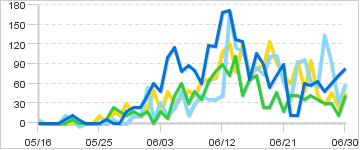
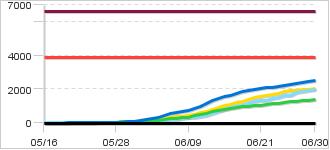
Sonar counts of late-run sockeye passing river mile 19 on the Kenai, the run our July and August trips are built around.
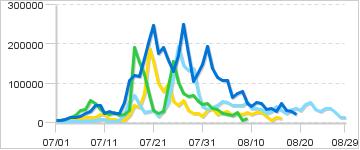
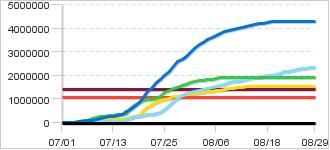
Sockeye counts for the Kasilof, the river we lean on when the Kenai gets crowded or conditions favor it.
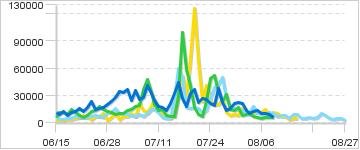
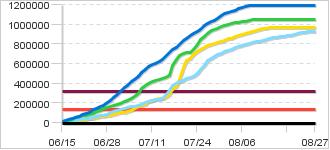
Weir counts of early-run sockeye on the Russian, a popular combat-fishing run where it meets the Kenai.
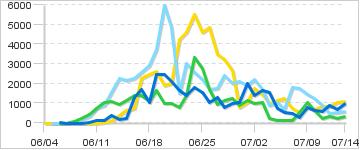
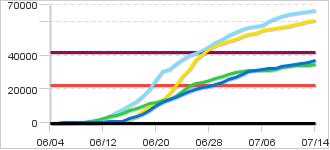
Weir counts of late-run sockeye on the Russian, typically the bigger of the two runs.
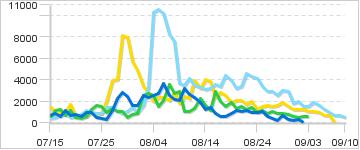
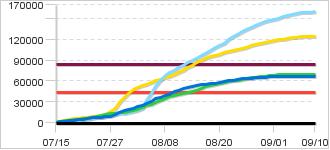
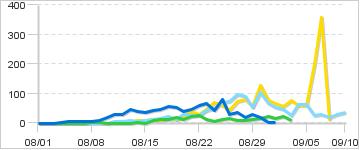
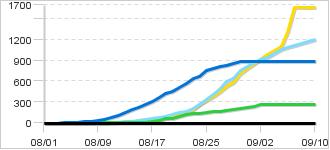
Weir counts of coho (silvers) on the Russian River as they move through late in the season.
What the Numbers Actually Mean
A big daily count doesn’t always mean a big day of fishing, and a slow count doesn’t always mean a slow day — river conditions, water clarity, and weather all play a role too. What counts are genuinely good for is spotting trends: is a run building, peaking, or tapering off? That’s information we use every week of the season to help decide where to put you on the water.
Timing Your Trip?
If you’re trying to time a trip around a specific run, give us a call. We watch these counts daily during the season and are happy to talk through what we’re seeing before you book.
Reach out and we’ll help you plan it, or check availability and book your trip.